The 30-minute interview preparation checklist
Jorge Sánchez·August 24, 2026
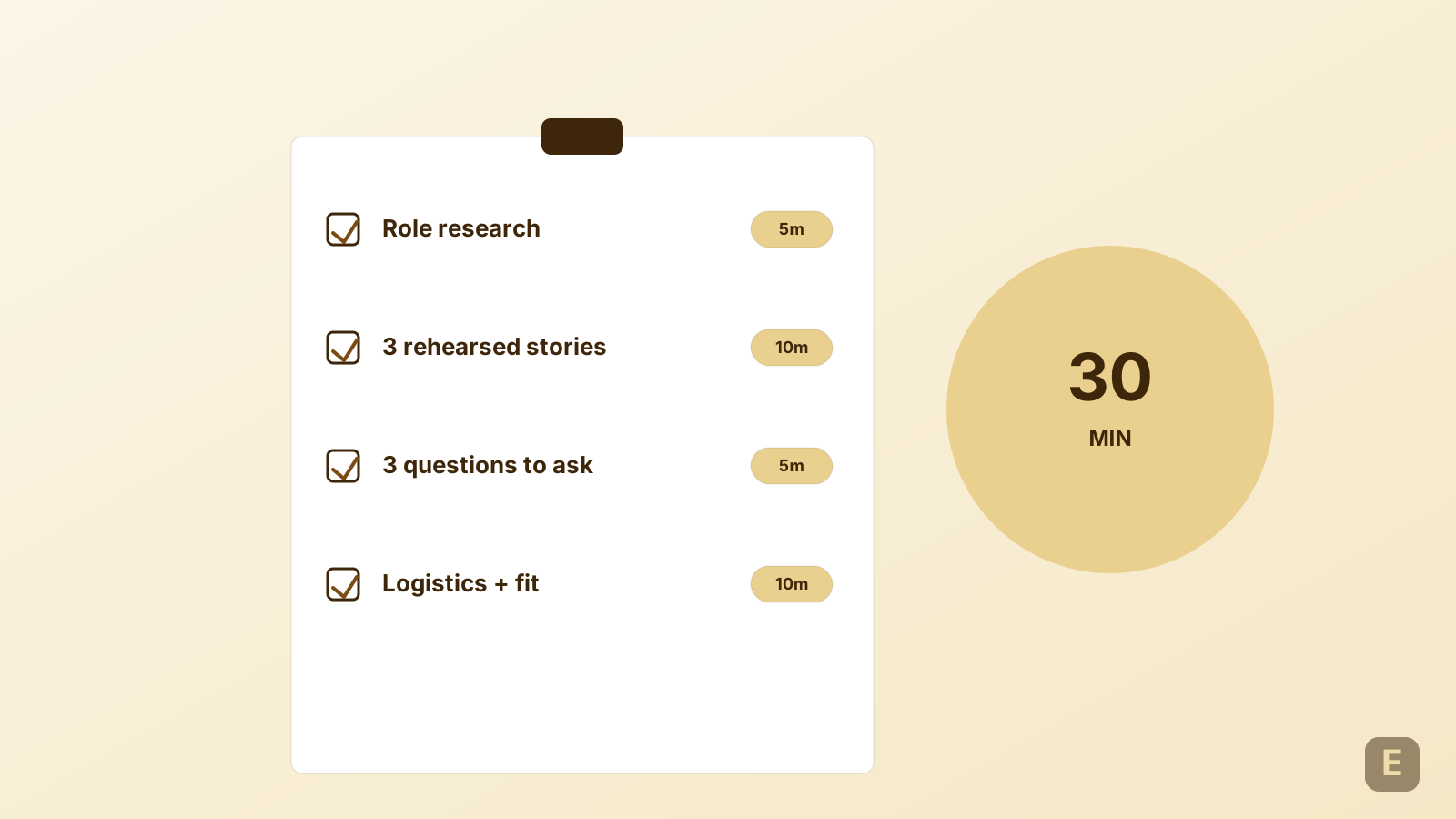
A 4-part checklist you can run in the 30 minutes before any interview — role research, 3 rehearsed stories, 3 questions to ask, logistics + fit signals.
This is the 30-minute checklist we recommend to every candidate right before they walk into an interview. It's the exact structure Emplirao's Interview Coach steps you through — but the version below works with pen and paper if that's what you have.
Emplirao's Interview Coach generates your 4-part checklist personalized to the specific role + your CV — the same shape as below, filled in.
Try Interview CoachPart 1 — Role research (5 minutes)
- The team's stated Q3-Q4 priorities. Skim the company blog / engineering blog / LinkedIn posts. You want ONE sentence you can drop into the conversation about what they're currently focused on.
- The 3 last people who joined this team (LinkedIn search: company + team). What did they do before? Signals what the team hires for right now.
- The interviewer's LinkedIn. 90 seconds. What they've built, where they came from. One question tailored to them is worth 10 generic ones.
- The company's most recent public news — funding round, product launch, layoff, acquisition. Being unaware of a major event reads as low interest.
Part 2 — 3 rehearsed stories (10 minutes)
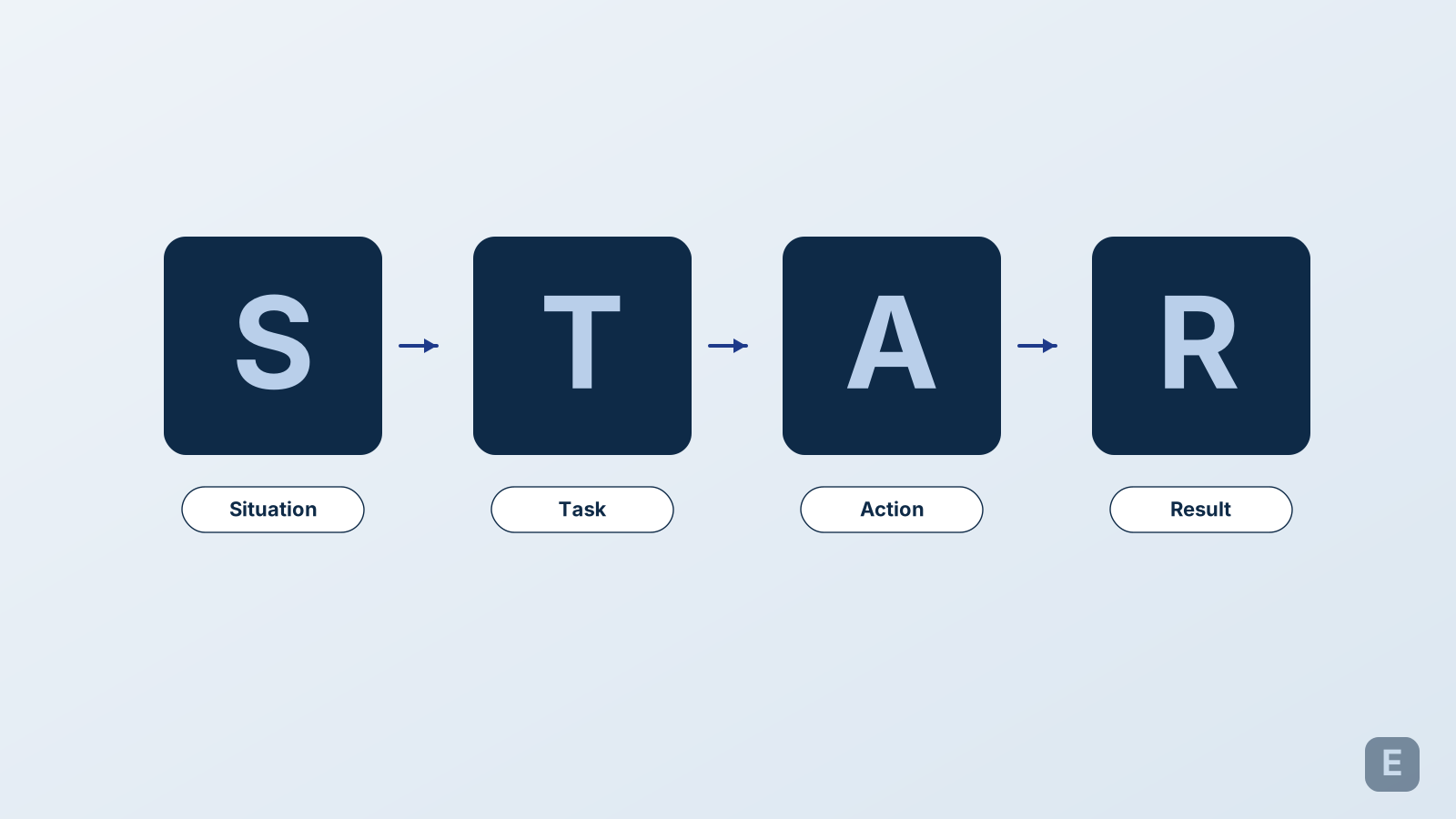
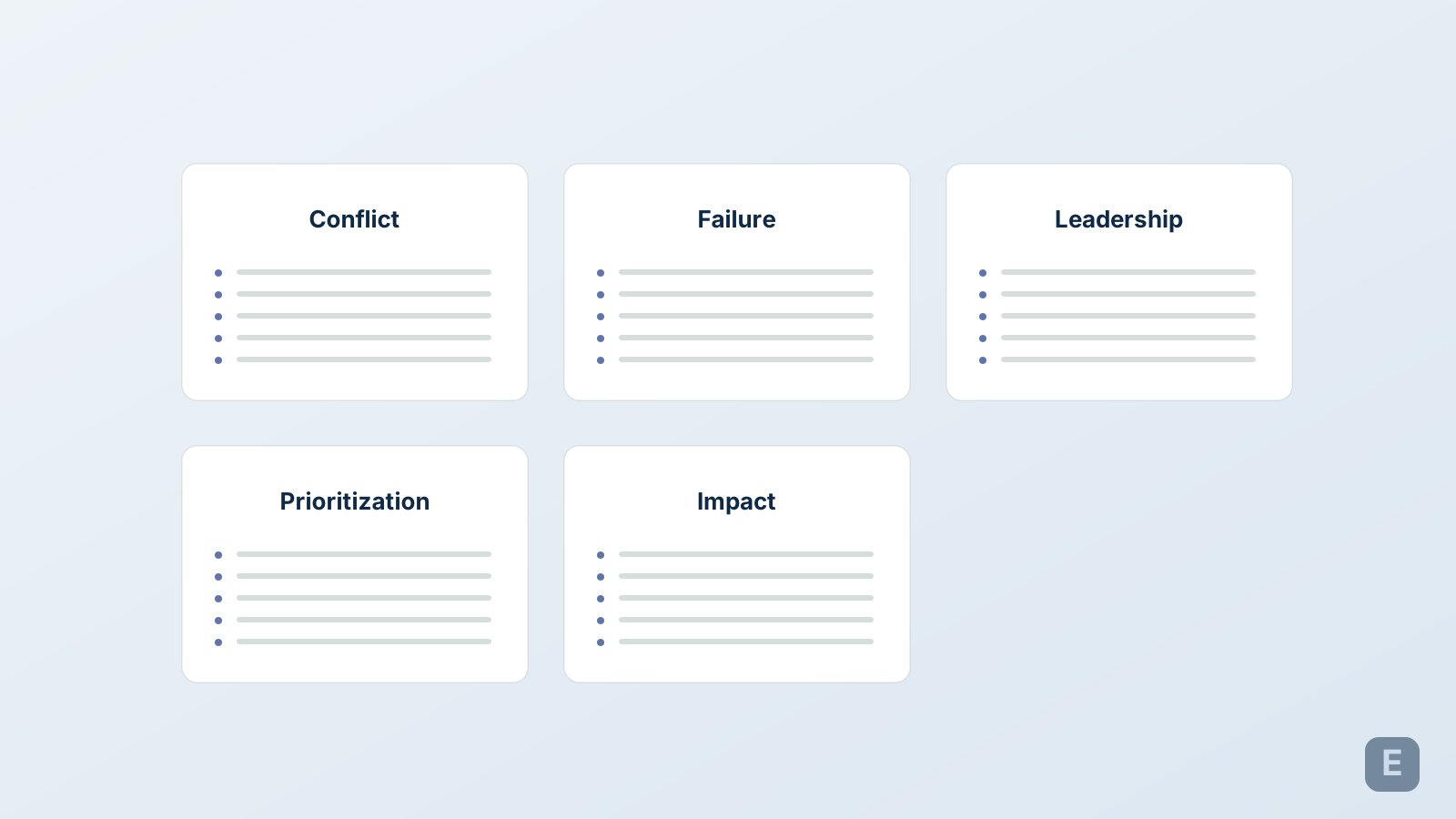
You don't need 25 stories. You need 3 STAR-formatted stories that between them cover: (1) a project you owned end-to-end, (2) a conflict or hard call you navigated, (3) a mistake or failure with a specific learning. These 3 answer ~85% of behavioral questions with a re-framing.
Say each story out loud once, timing it. Target 90 seconds. If you're over 2 minutes, cut the Situation — it's almost always the part you're over-explaining.
Part 3 — 3 questions to ask (5 minutes)
- One question about the WORK. "What does success look like for this role in the first 90 days?" or "What's the hardest technical decision the team made this quarter?" — forces the interviewer to reveal what actually matters.
- One question about the TEAM. "Why is this role open — new headcount or backfill?" — the answer tells you whether the last person left, was promoted, or is a new investment. Big signal.
- One question specific to THIS interviewer. From your Part 1 research. "I saw you led the migration off Rails 6 last year — how did you think about the risk / timing tradeoff?" — signals you did your homework AND actually care.
Part 4 — Logistics + fit signals (10 minutes)
| Item | Why it matters |
|---|---|
| Meeting link + tech test 15 min before start | Video/audio failures are the single biggest first-impression killer. Fix them BEFORE the interviewer joins. |
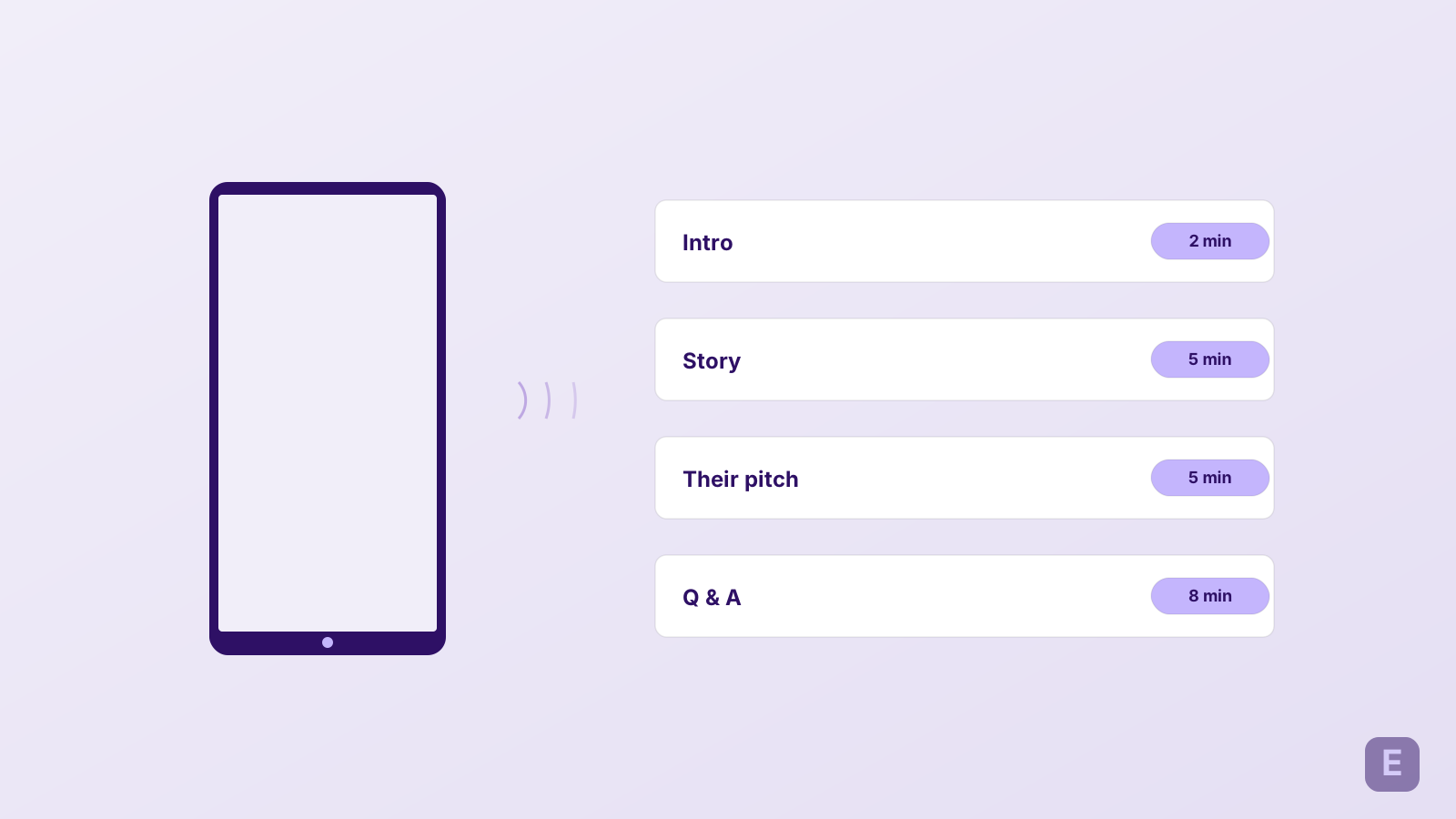
| One-line elevator pitch rehearsed | "Tell me about yourself" is the first question 80% of the time. Have a 60-second answer READY, not improvised. |
| Notepad + water within arm's reach | Silence pauses are OK. Silence + fumbling for a pen is not. |
| Salary range you'd say if asked | "Whatever you're offering is fine" is the single most damaging answer. Come with a range from live market data. |
| 3-4 skimmable bullet points on paper next to you | Your STAR stories' opening lines. Glance-only reference; never read from them. |
What NOT to do the 30 minutes before: last-minute cramming of new material, running practice questions you've never seen before, drinking a second coffee. All three make you worse, not better. This is the calm-and-warm-up phase, not the study phase.
For the 25 behavioral questions this checklist covers indirectly, see the categorized guide with what each one actually scores.
Read the behavioral questions guideFrequently asked questions
- When should I run this checklist — the night before or day of?
- Day of, 30 minutes before. Night-before prep tends to be overwrought and half of it gets forgotten by morning. 30 minutes before is the sweet spot for freshness.
- Does this work for technical interviews too?
- The 4-part structure holds. Part 2 (rehearsed stories) becomes rehearsed technical narratives — e.g. 'the hardest bug I debugged last year' or 'the tradeoff I made in the migration.' Same shape, technical content.
- What if I have back-to-back interviews the same day?
- Do Parts 1 + 3 once at the start of the day (they don't change round-to-round for the same company). Do Parts 2 + 4 in the 15 minutes between each round. Faster than starting from scratch, sharper than doing nothing.