Phone interview tips — the 20-minute screening playbook
Jorge Sánchez·August 24, 2026
Phone screens test three things (fit, comp, timeline) in 20 minutes. The 4-part structure recruiters follow, the exact 3 questions to have ready to ask, and what disqualifies most candidates.
Phone screens are the cheapest — and most misunderstood — round in the interview loop. Candidates prepare like it's a technical deep-dive; recruiters treat it like a triage. Understanding what the recruiter's actually filtering for turns a 20-minute call from a stress test into a formality.
Emplirao's Interview Coach walks you through the specific answer to each of the recruiter's 3 hidden filters — using your CV and target role as context.
Try Interview CoachWhat the recruiter is actually scoring
| Filter | What they hear | What passes |
|---|---|---|
| Fit | Communication clarity, energy match, culture read. | You sound like someone the team would want in a room. |
| Compensation | Your expectation vs the band budgeted for the role. | You're within their band OR clearly negotiable within 10-15%. |
| Timeline | When you could realistically start. | A specific date or window ("2-4 weeks after signing"). |
The 4-part conversation to expect
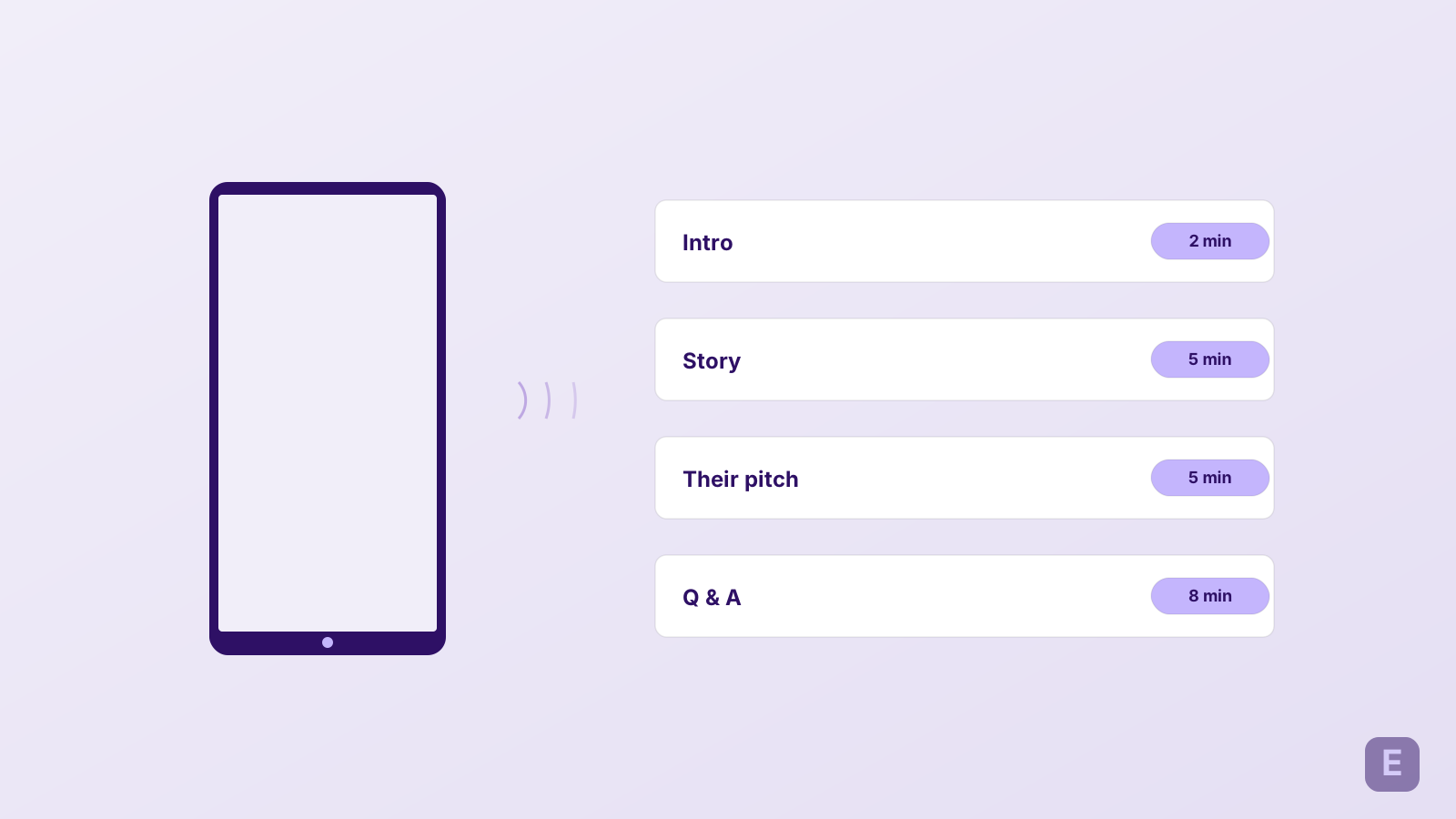
Intro (2 minutes)
The recruiter introduces themselves, names the team hiring, and confirms the role you're interviewing for. Don't interrupt with your questions here — this is scaffolding.
Your story (5 minutes)
"Tell me about your background" or "walk me through your CV." This is the answer to rehearse — 60-90 seconds, chronological, one line per role, one sentence at the end about why this role now. Not your life story.
Their pitch (5 minutes)
They describe the team, the product, the immediate priorities. Listen for what's NOT said — team size, tenure of the manager, whether the last person left. Those gaps are your future questions.
Logistics + questions (8 minutes)
Comp expectations, notice period, work authorization, next steps. Then 2-3 questions from you. Never say "no I don't have any questions" — that reads as low interest.
The 3 questions worth having ready
- "What does success look like for this role in the first 90 days?" — Signals product mindset; forces the recruiter to articulate priorities.
- "Why is this role open — new headcount, or backfill?" — If backfill, follow up with "where did the previous person go?" Answers reveal team stability.
- "How would you describe the manager's style?" — Recruiters give surprisingly honest reads because they'd rather filter you out now than after a bad start.
Practical operations
- Take the call from a room with good acoustics. Bathroom-echo audio quality kills recruiter first impression.
- Have your CV, the JD, and 2-3 notes on the company open on screen. Don't read from them — reference them.
- Stand up during the call. Voice carries better; energy translates more.
- Don't multitask. Recruiters can hear typing over the phone and it registers as disinterest.
The most damaging answer in a phone screen is "whatever you're offering is probably fine" to the comp question. It signals you haven't done research and lets the recruiter anchor low. Always come with a range from live market data.
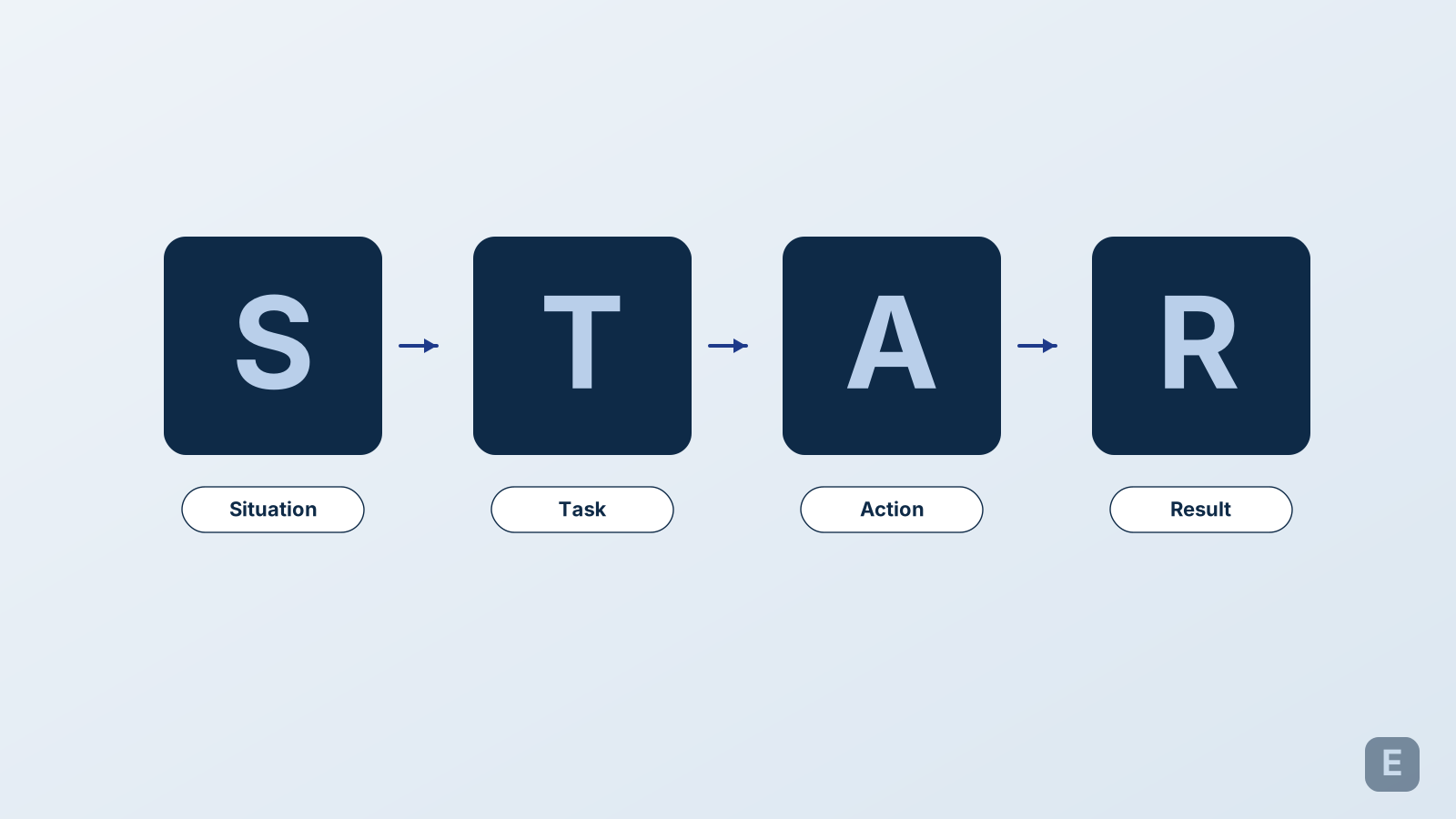
For the harder rounds after the screen, prepare with the STAR method — the frame every behavioral interviewer scores against.
Read the STAR method guide