How to ask for a raise — the script, the timing, the data
Jorge Sánchez·August 24, 2026
The 3-part script that gets raises approved, when to time the ask (and when to wait), and the market-comp data to bring — with real numbers per experience level.
Most "my manager said no" raise conversations lose in the preparation, not the ask itself. The script that gets approved is short and boring — the work is in what you bring to the meeting.
Emplirao's Salary Coach benchmarks your role against live jobs currently posted in your market — so the range you cite comes from real, current comp bands, not stale review-site aggregates.
Get a market rangeThe 3-part script
Part 1 — what you shipped (2-3 minutes)
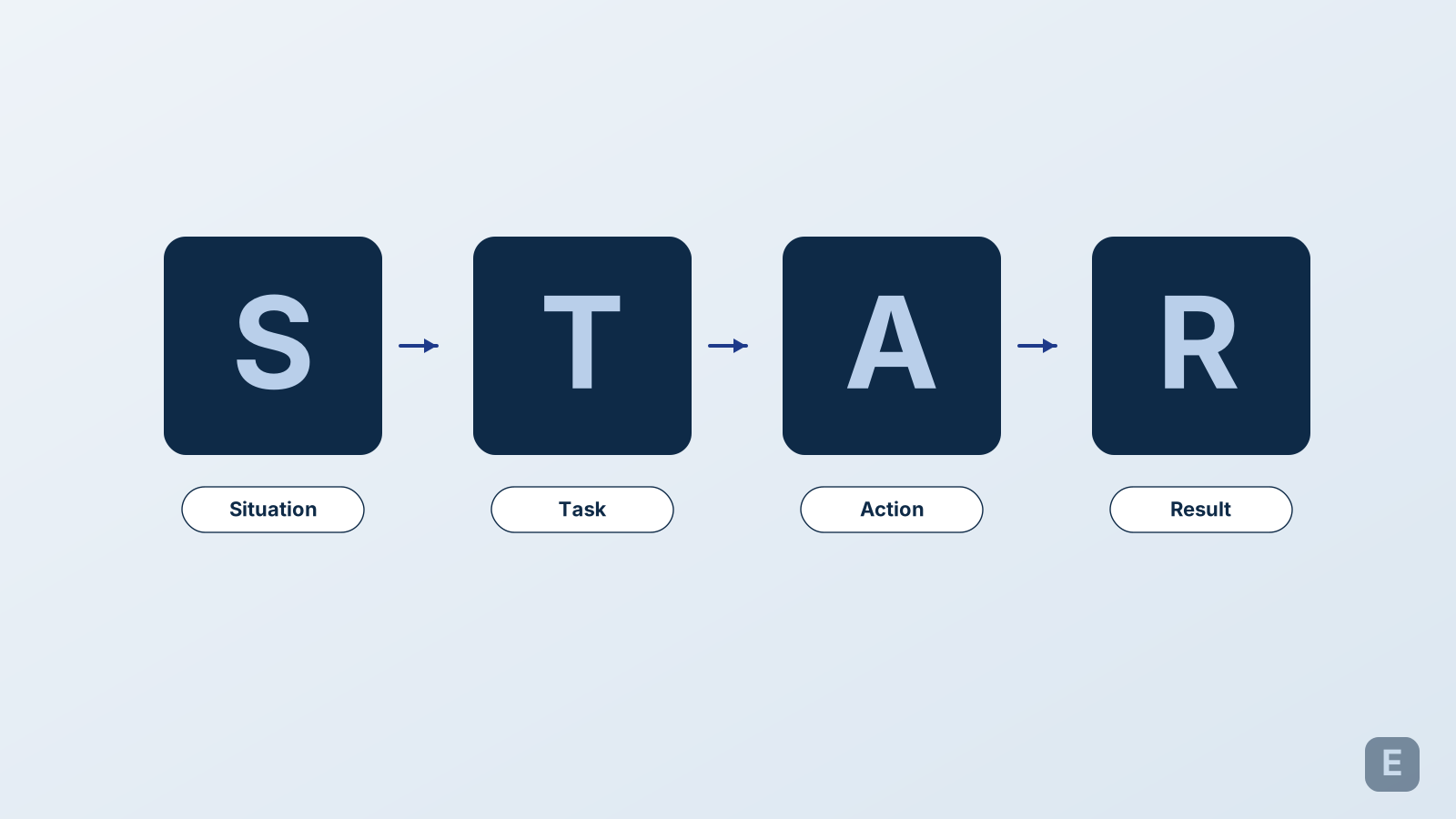
Not "I've been working really hard." Specific outcomes since the last comp review, ideally with numbers. Two or three items. "Since our January conversation I owned the migration to [X] which cut infra costs 22%, led the [team] hire we needed for Q3, and shipped [feature] that moved [metric] by [amount]." Concrete, chronological, no adjectives.
Part 2 — what the market pays for this work (2-3 minutes)
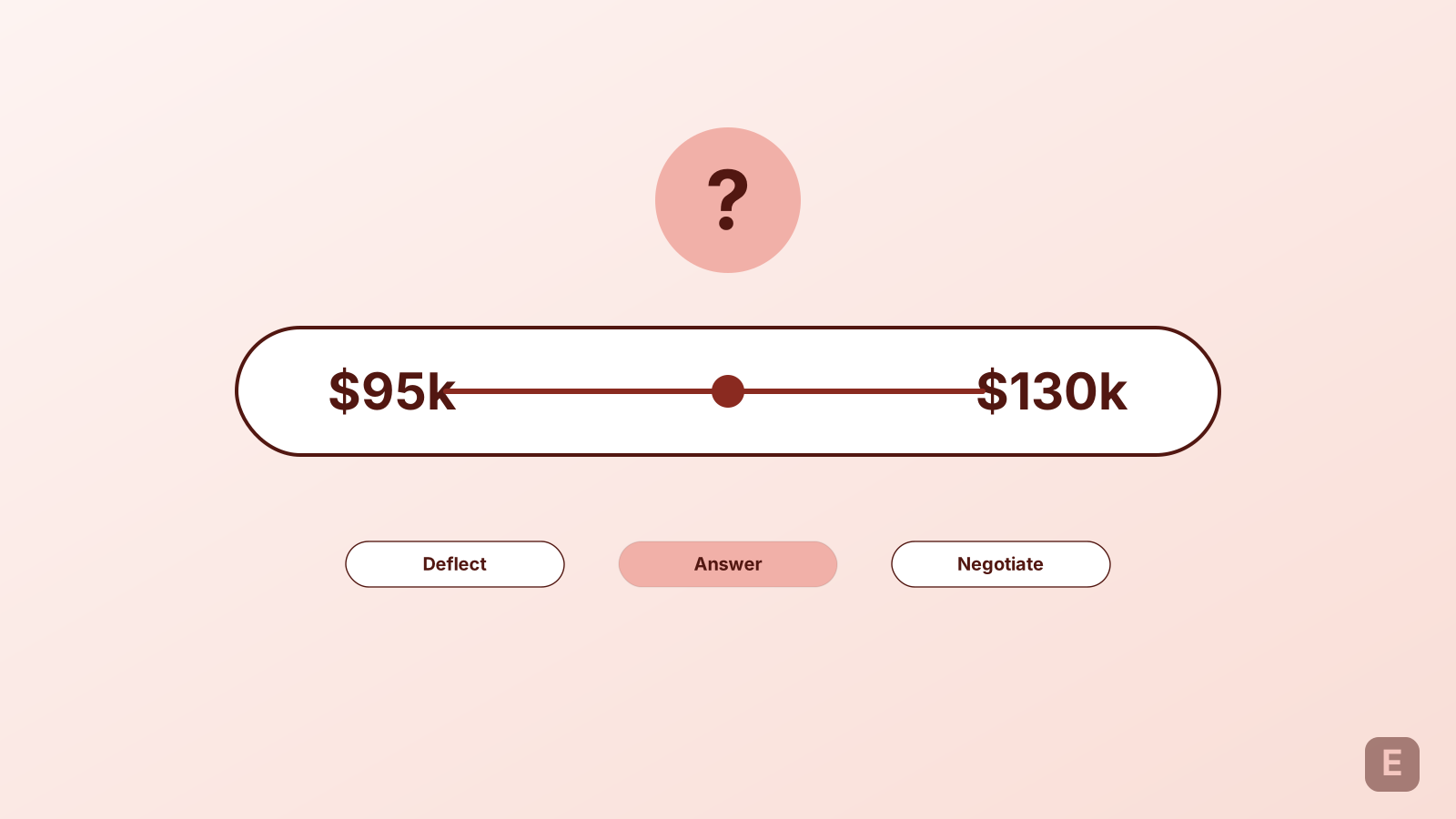
"I've been looking at what companies at [comparable stage/size] are paying for [my level] on [my stack] in [my city/remote]. The current band is [$X to $Y], based on 8-12 live postings I've reviewed in the last 30 days." Live postings > Glassdoor because the manager can verify. Specificity signals seriousness.
Part 3 — the specific ask (1 minute)
"Given the work I've shipped and the market band, I'd like to move to $Z. What would that take?" Then STOP TALKING. The silence is uncomfortable — sit with it. The first person to speak after the ask is negotiating against themselves.
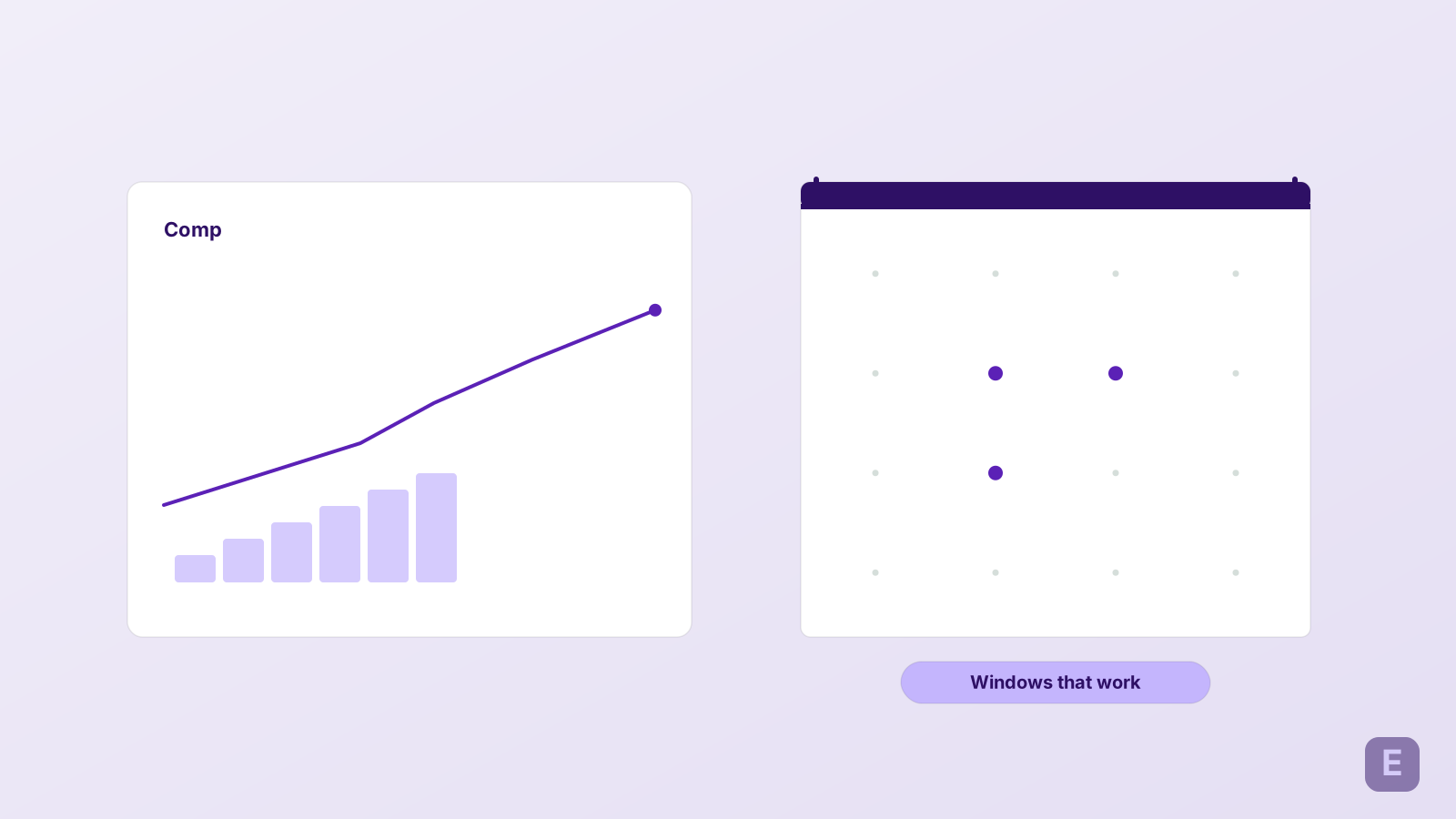
Timing — the two windows that work
| Window | Why it works | Prep needed |
|---|---|---|
| 2-4 weeks after a shipped, visible win | Recency effect + concrete evidence in your favor. | 1 hour: assemble the win narrative + market data. |
| 60-day window before annual comp review | The manager is already thinking about your comp. You get in the room before decisions are locked. | 2-3 hours: full year's wins + market benchmark. |
| During annual review itself | Suboptimal — comp decisions are usually locked 30+ days before the review meeting. | Try to move it earlier in your calendar. If not possible, still bring the case. |
| During company crisis / layoffs | Don't. Comp asks during austerity signal poor read of context. | Wait 60-90 days after visible stabilization. |
The 4 responses you'll get and how to handle them
"Let me think about it" (most common)
"Of course. What's a realistic timeline for hearing back — end of week, or next comp cycle?" Anchoring a date prevents indefinite delay. If they push beyond 3-4 weeks without a good reason, that's the actual answer.
"Yes but it has to be at [lower number]"
"That's a step forward. To hit the market band we discussed I'd want [$Z] within [6 months]. Can we structure that as a mid-year adjustment tied to [specific milestone]?" Splitting into two moves keeps momentum.
"No, budget is locked"
"Understood. Two questions: (1) When does the next budget window open? (2) What specific work would put me clearly in the top of band for the next cycle?" Never argue budget — extract commitments for next time.
"No, and there's no path to what you're asking"
This is the answer that actually matters. It's the manager telling you the ceiling is here. Take it seriously. Start interviewing — and use the market data you already assembled to guide the search. A 15-25% comp jump on a switch is common at this signal.
Never bring a competing offer you don't have. Managers verify more than candidates think, and a fabricated offer that gets discovered nukes trust permanently. If you have a real offer, bring it. If not, don't invent one.
The market data you bring is the same input you'd use if the answer is "time to interview elsewhere" — see the salary questions guide for negotiation during hiring.
Read salary questions in interviewsDraft the actual raise-request email in 30 seconds with the free generator — the 3-part-script structure above, filled in with your inputs.
Generate the emailFrequently asked questions
- How much of a raise is reasonable to ask for?
- Internal raises without a promotion typically move 5-15%. If the market band suggests more, the answer is usually a promotion package (title + comp move together) or an external move at 15-25%.
- What if my manager says my performance review determines the raise?
- Ask what specific rating or outcome from the review would unlock the range you asked for. If they can't tell you, the process is not actually what determines the number — the budget is. Push for the budget conversation directly.
- Should I put the ask in writing before the meeting?
- A short email one hour before: "Wanted to flag that comp will be part of today's 1:1 — bringing a couple of data points for the conversation." Doesn't spoil the ask, but removes the ambush surprise and gives the manager room to have thought about it.