Thank-you email after interview: 12 templates recruiters actually read
Jorge Sánchez·24. august 2026
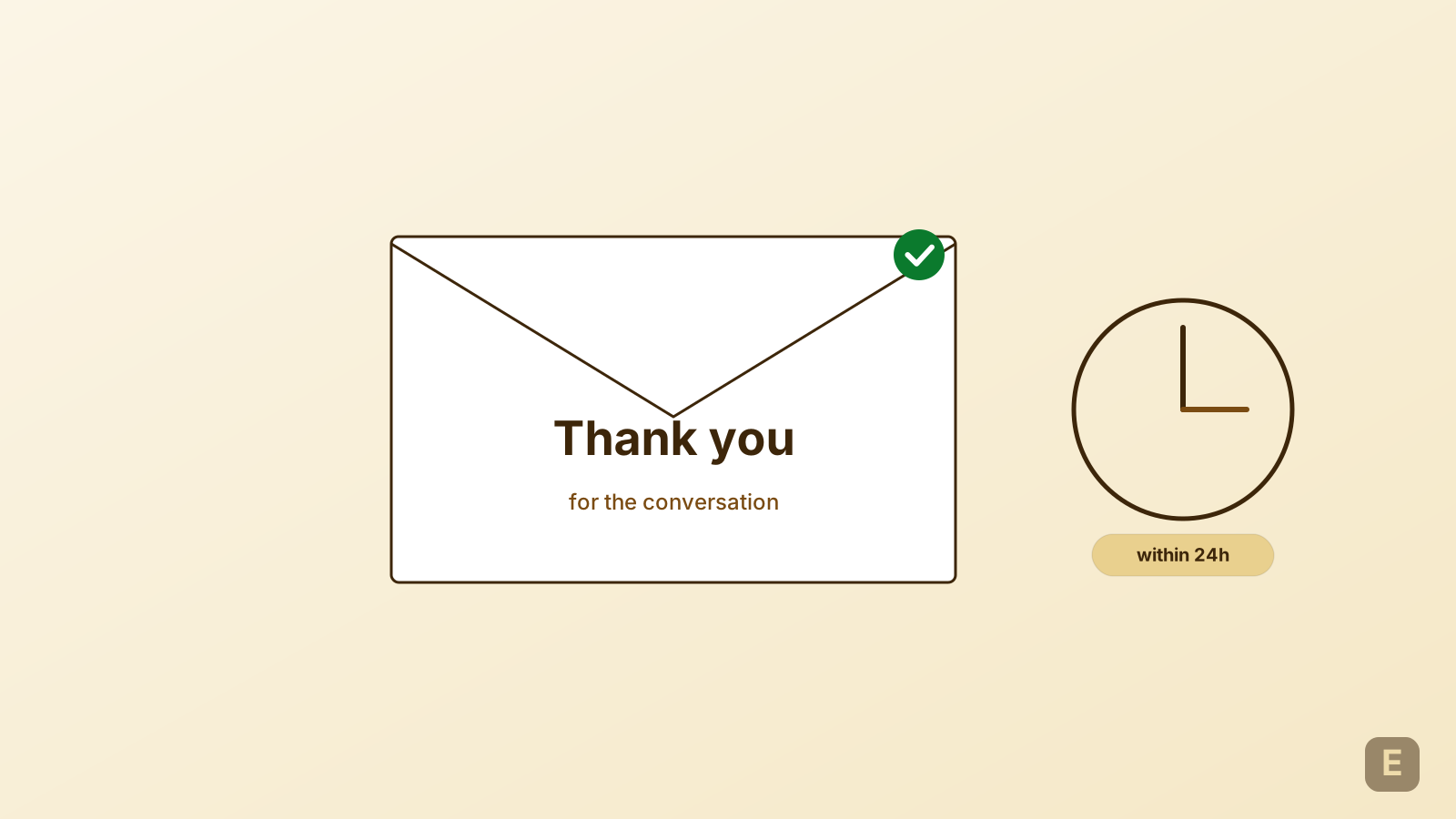
The 24-hour thank-you note is one of the last cheap-and-real levers in job hunting. What to send, what to cut, and 12 templates by interview type — plus what to do if you didn't get the interviewer's email.
The thank-you email is one of the last cheap, high-leverage acts left in the job hunt. It's not going to save a bad interview — but for a marginal candidate in a close decision, it moves the needle. The people who send well-crafted ones send them the same day; the people who don't, don't send them at all.
Emplirao's Interview Coach also generates post-interview follow-ups from the specific questions you were asked, personalized to each interviewer.
Try Interview CoachThe universal 4-line structure
- Line 1 — a specific thank ("Thanks for the 45-minute conversation about the migration timeline"). Never generic.
- Line 2 — mirror one thing they said that resonated. Proves you were listening, not scripting.
- Line 3 — restate one point you'd like to strengthen from the conversation. Often the answer you wish you'd given.
- Line 4 — a light forward-looking close. Not "looking forward to next steps" — something more specific like "happy to work through the [technical question] we didn't get to."
12 templates by interview type
1. After a recruiter phone screen
“Hi [name] — thanks for walking me through the [role] scope this morning. What you said about [company priority] matches what I've been working on at [current company]. If it helps, I can send you a redlined resume that highlights those parts before the hiring manager conversation. Talk soon.”
2. After a hiring manager 1:1
“Hi [name] — appreciated the depth today, especially the honest read on [team constraint]. Your framing of [thing] made me want to think harder about the [related problem] question — my sharper answer is [one sentence]. Happy to keep the conversation going next week.”
3. After a panel round (3+ people)
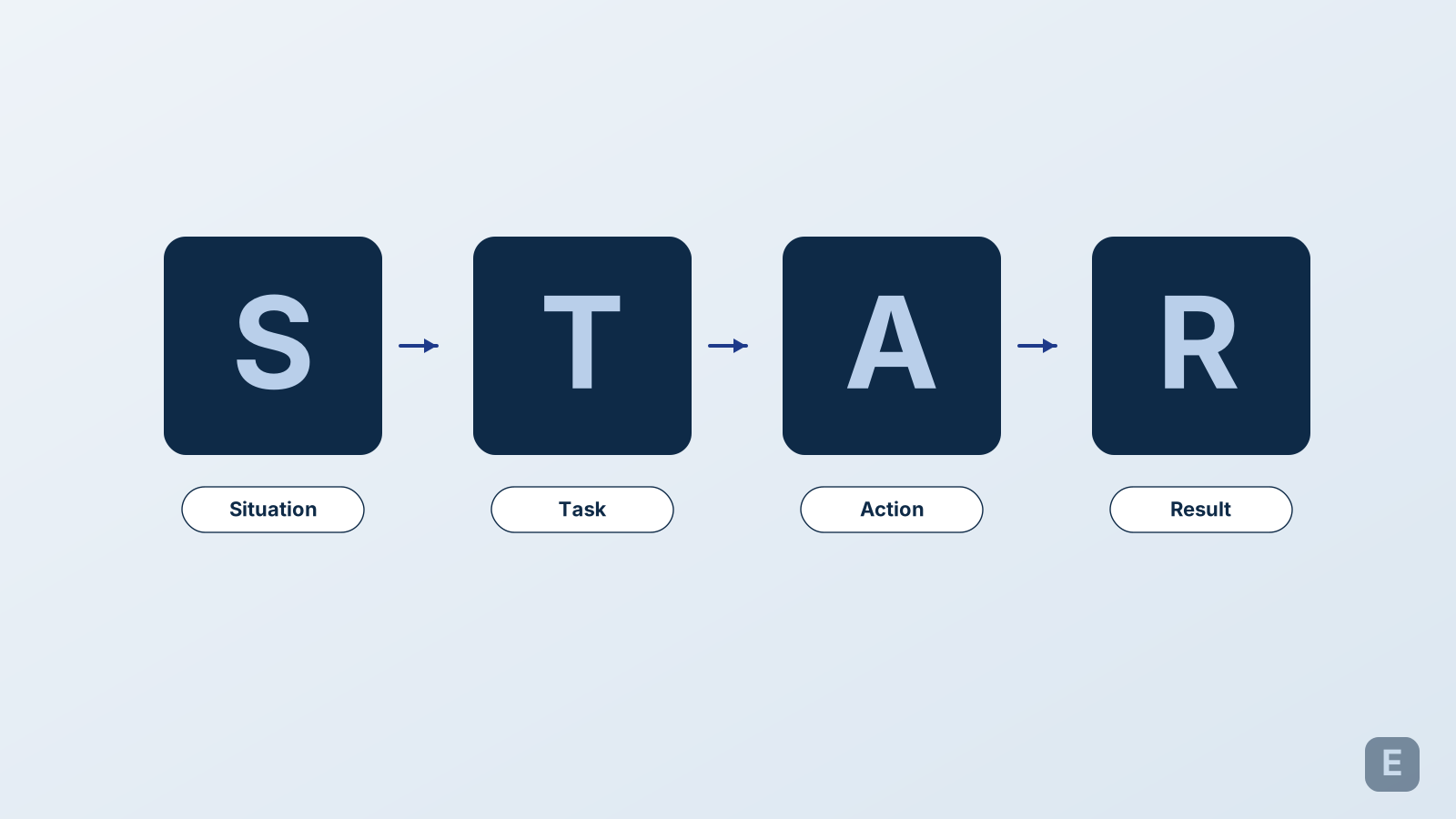
Send one email per interviewer, not one to everyone. Reference the specific angle each asked about. If you can't remember one distinct angle per person, you didn't do enough active listening — write it into the STAR practice loop for the next round.
4. After a technical / coding interview
“Hi [name] — thanks for the [problem] walk-through. Two thoughts after: my solution for the [second follow-up] could have used [specific technique] to hit the O(n log n) bound; and the trade-off you raised about [X] is exactly the kind of decision I've been making at [current team]. Would love to keep talking.”
5. After a system-design interview
“Hi [name] — enjoyed the design conversation. On reflection: I under-emphasized the [data consistency / observability / rollback] trade-off — a stronger version of my answer would have leaned on [specific pattern]. Curious how your team currently handles the [related concern] we discussed.”
6. After an onsite loop (aggregate email to recruiter)
“Hi [recruiter name] — thanks for organizing today. Sent individual notes to [interviewer 1] and [interviewer 2]. Two takeaways from the loop overall: (1) [company priority] is where I'd want to add value fastest, (2) the [team dynamic] you all described matches how I've operated for the last N years. Ready for next steps whenever the team is.”
7-9. Rejection response / "keep in touch" / declining offer
Rejection: two sentences. "Appreciated the process — genuinely learned from the [thing]. Please keep me on file if a role opens where the fit is closer." Keep-in-touch: one sentence sent 6 weeks later with one specific update. Declining: one paragraph, always name the specific reason ("chose a role with more X"), never leave the door slammed.
10-12. Post-offer follow-up patterns
- Asking for time to consider: "Thanks for the offer. Would like [3-5 business days] to review with [family / other pipeline]. I'll come back by [specific date] with either a signed offer or one clarifying question." Specific dates prevent silent ghosting fears.
- Negotiation opener: "Thank you for the offer — genuinely excited. Two items I'd like to discuss: [base] and [equity vesting cliff]. Comparable roles I'm reviewing sit at [range] — is there room to align there?" No emotional language; just numbers and one specific ask.
- Signed acceptance: three sentences. Thank, confirm start date, ask about pre-start onboarding logistics. That's it.
What to do when you don't have the interviewer's email
- Ask the recruiter at the end of the interview: "What's the best way to send a follow-up to the panel?" Most will just forward on your behalf.
- Guess the format: firstname.lastname@company.com covers 70% of enterprise domains. Verify with a tool like Hunter.io before sending.
- LinkedIn message as fallback — worse open rate than email but better than nothing.
Never send the same email to multiple interviewers with just the name swapped. Recruiters compare notes; a template-shaped follow-up is more damaging than no follow-up at all.
The follow-up email is one lever. The interview answers that got you here are the bigger one — read the STAR method breakdown for the frame every behavioral interviewer is scoring against.
Read the STAR method guide