Cover letter for a career change — how to frame the pivot
Jorge Sánchez·24. august 2026
Career-change cover letters live or die by the first 3 sentences. How to reframe a pivot as a strength, which past experience translates, and 4 tested templates.
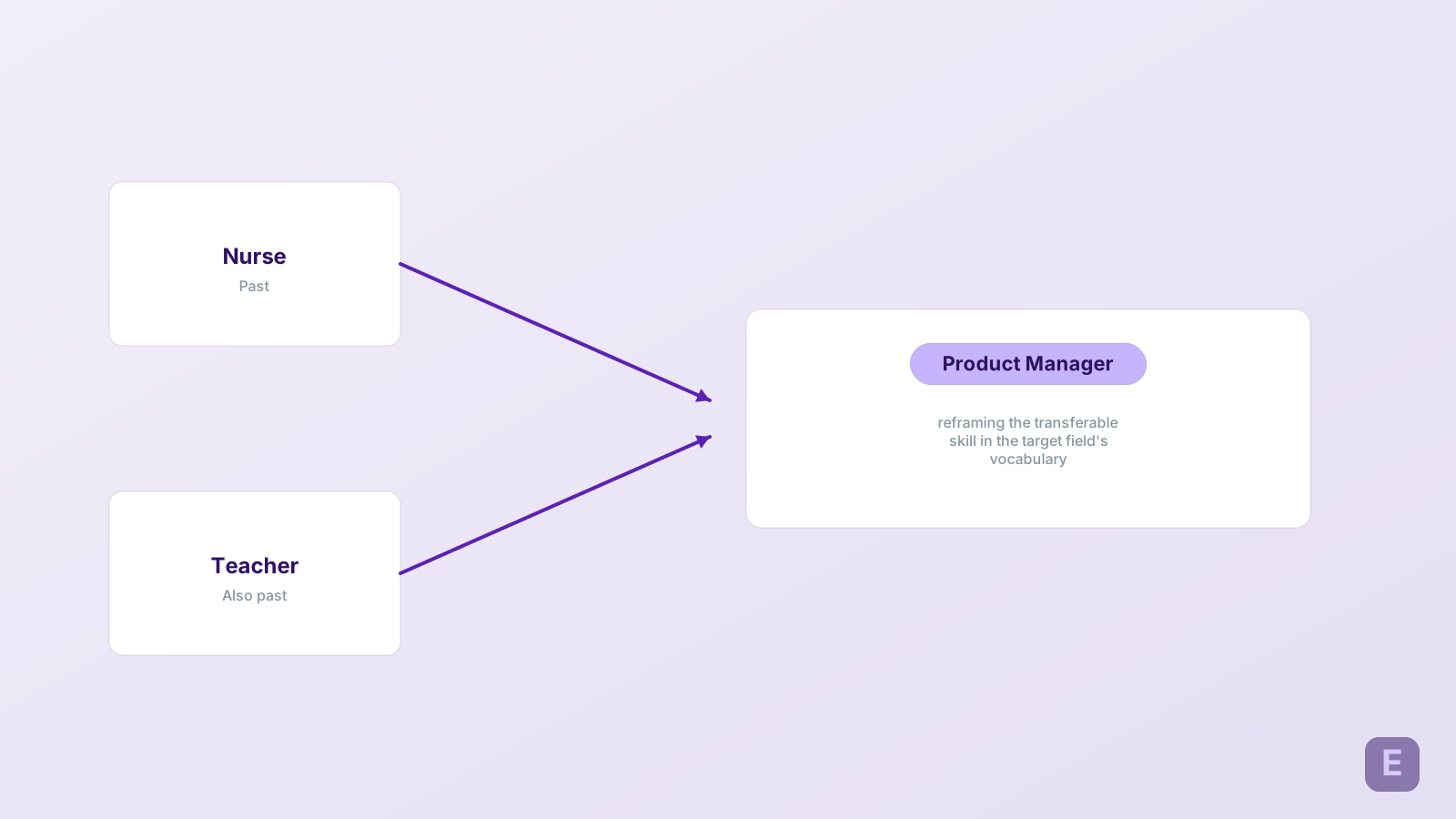
Career-change applications fail for one specific reason: recruiters can't map the incoming candidate to a hiring rubric they already have. Your cover letter's job is to do that mapping for them — reframing your past experience in the target field's vocabulary before they have to.
Emplirao's cover letter drafter can accept both your current CV AND the target job's JD, then produce a first-draft that already applies the career-change reframing method below.
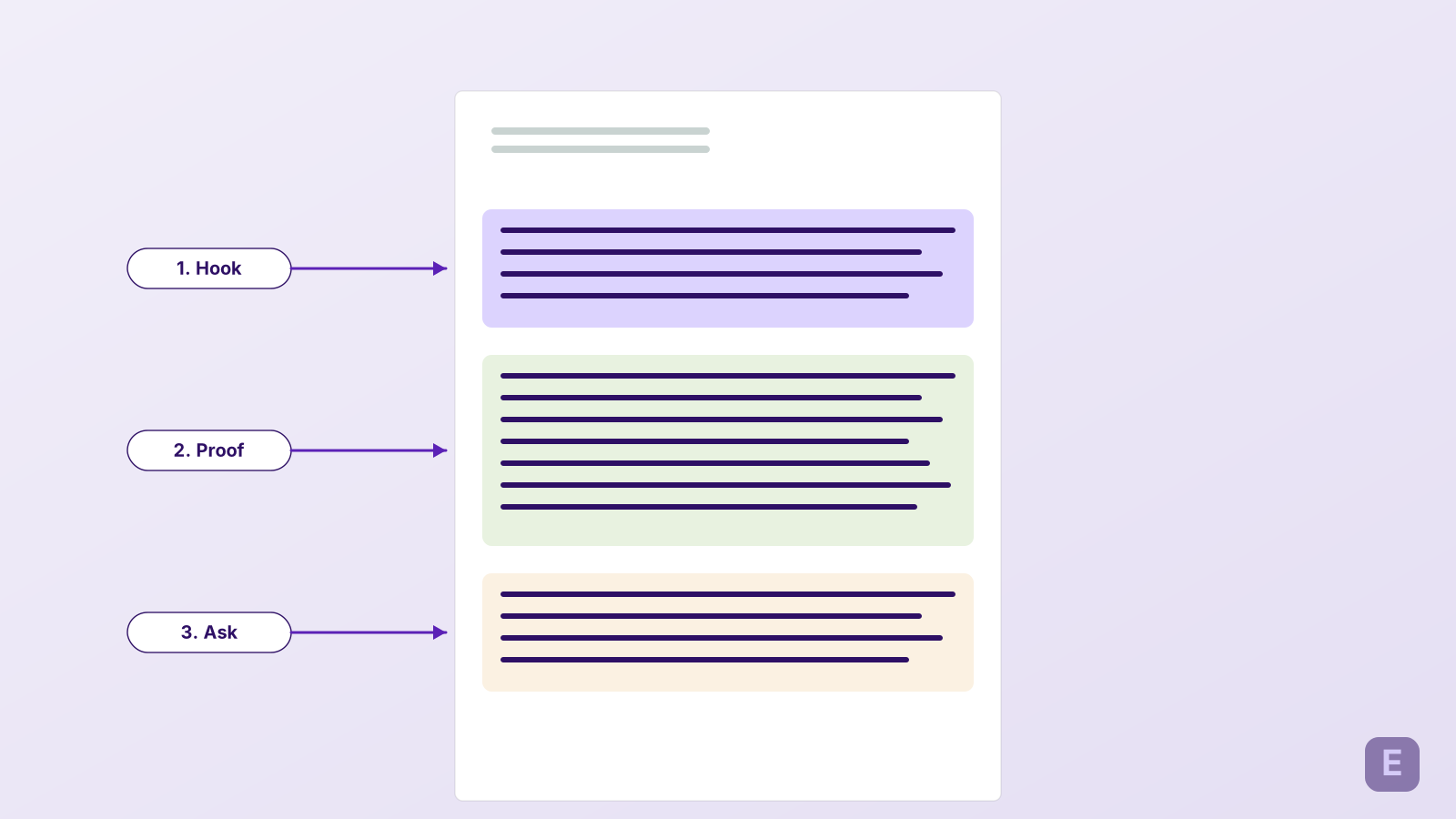
Draft a career-change letterThe 3-sentence reframing pattern
- Sentence 1 — name the current field + tenure. Confident, factual. No apology.
- Sentence 2 — name ONE specific skill or lens your current field taught you that the target field values but doesn't produce natively.
- Sentence 3 — name the specific target role and why THAT company is the right place to apply the transferable skill.
4 tested templates by common career-change move
1. Nurse → Health Tech Product Manager
“Eight years as a pediatric ICU RN — the last three leading rapid-response coordination across five hospital departments. What that taught me: how to design decision tools clinicians actually use under 3AM cognitive load. Applying because your Q3 EHR redesign at [company] is the exact interface problem I spent five years redesigning by hand in Epic.”
2. Teacher → Instructional Designer / L&D
“Six years teaching high-school Physics — the last two building a district-wide flipped-classroom curriculum adopted across 12 schools. What that taught me: how to sequence a concept so the median learner gets it in one pass, not three. Applying to [company] because your L&D platform is the tool I've been building fragments of on my own for the last three years.”
3. Military officer → Operations manager
“Six years as a US Navy logistics officer — the last two coordinating supply for a 3,000-person amphibious deployment across three ports. What that taught me: how to run an operation where every stakeholder has a hard deadline and the plan changes weekly. Applying to [company] because your Q4 warehouse-scaling problem is a smaller version of what I did in uniform.”
4. Academic / PhD → Applied ML researcher
“PhD in computational neuroscience, four years post-doc at MIT working on recurrent networks for auditory processing. What that taught me: how to design experiments where the confounds are actually controlled — the specific gap between published ML results and reproducible ones. Applying to [company] because your work on [specific paper] is one of the few industry teams treating that gap as first-order.”
What NOT to write
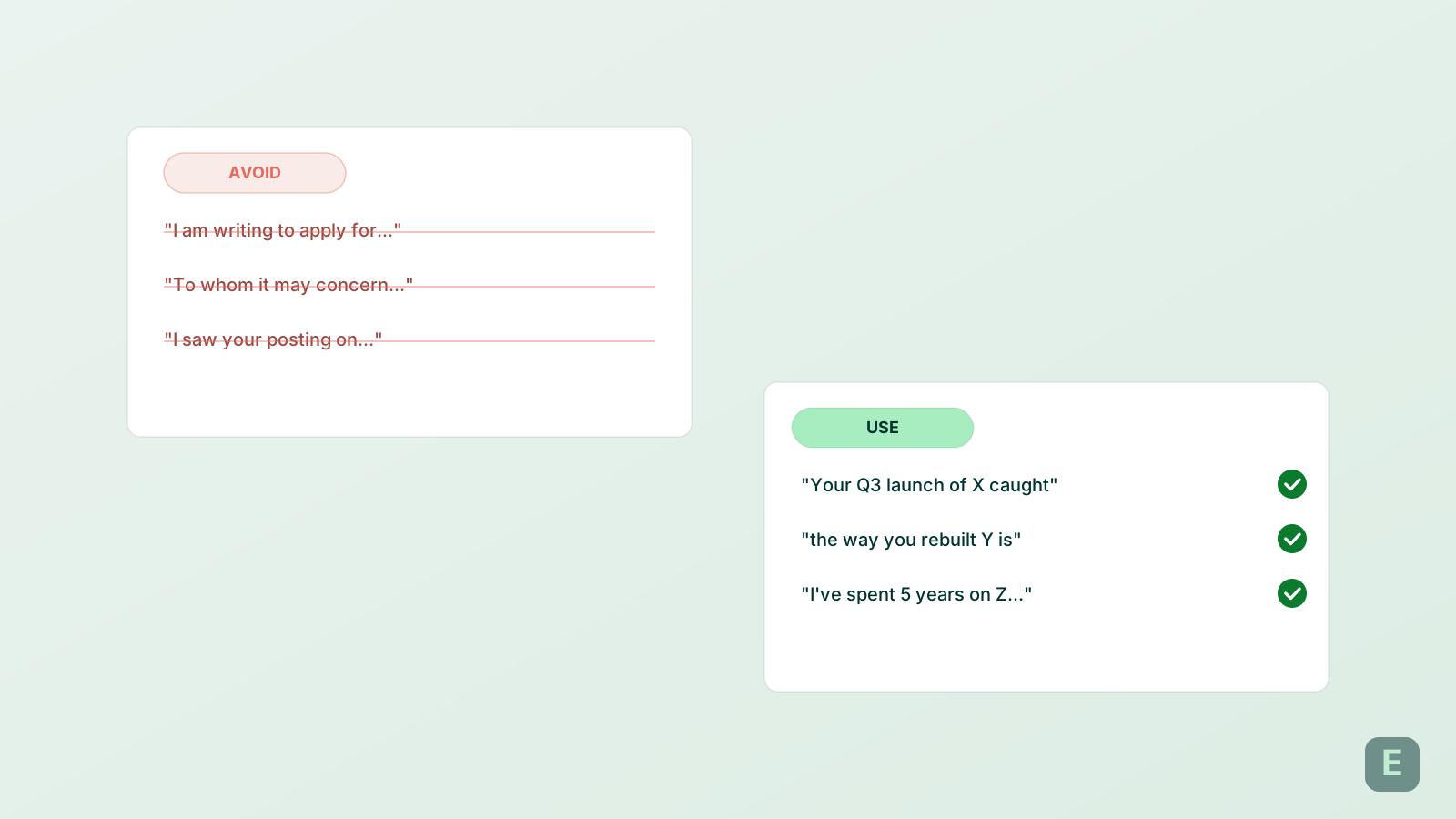
- Never open with "I know my background is non-traditional but…" — you've just told the recruiter to look for the mismatch.
- Never say "I'm passionate about [target field]" — every career-changer says this. Show the passion by naming something specific, don't claim it.
- Never explain WHY you're leaving your current field. Recruiters don't care about the push — they care about the pull.
- Never list every transferable skill you can think of. Pick ONE that maps to the top requirement of the JD. One story, one throughline.
For career-change roles the cover letter is more important than the resume — the resume can't do the reframing work. Spend 3× the time you'd spend on a normal cover letter, then reuse the reframed hook across every application in the same target field.
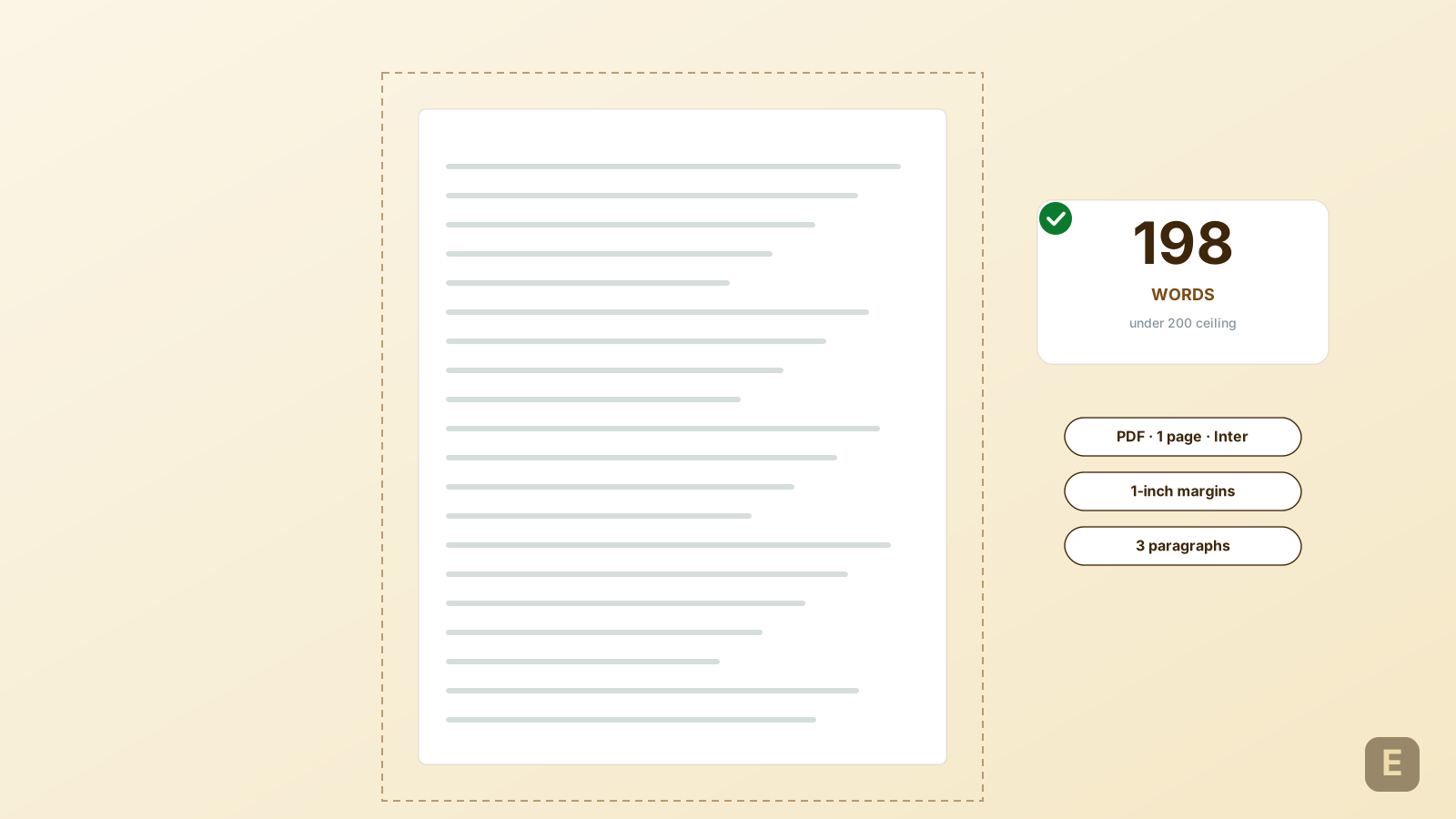
The 3-sentence pattern above fits inside the 200-word ceiling every cover letter should respect — see the length + format guide.
Read the length + format guide